The government
The Prime Minister and Cabinet
The Prime Minister (PM) is the leader of the political party that wins the most seats in a general election. The PM:
- Appoints cabinet ministers
- Controls major public appointments
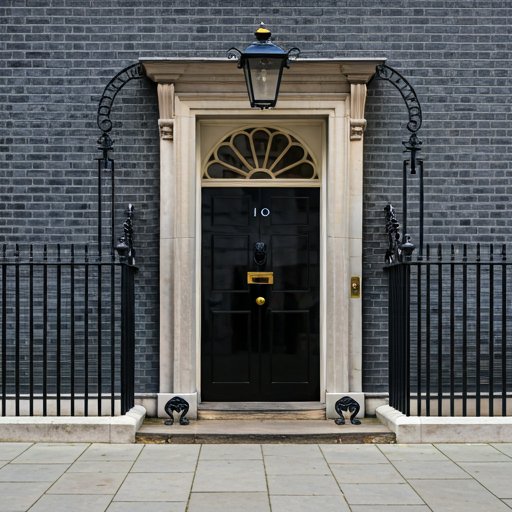
- Lives at 10 Downing Street, London
- Has a country house called Chequers
The Cabinet
The Cabinet is made up of about 20 senior ministers chosen by the PM. They meet weekly to make key decisions.
Political Parties
Labour Party
Centre-left. Founded by trade unions.
Conservative Party
Centre-right. The oldest party. Also called the Tories.
Liberal Democrats
Centrist. Pro-European, focus on civil liberties.
Green Party
Environmental focus.
SNP
Scottish National Party. Campaigns for Scottish independence.
Plaid Cymru
Party of Wales. Campaigns for Welsh independence.
Pressure Groups
Pressure and lobby groups try to influence government policy on specific issues — from environmental protection to business interests.
The Civil Service
The civil service carries out the work of government. Civil servants are politically neutral — they serve whichever party is in power.
Local Government
Local councils provide services in your area like education, rubbish collection, road maintenance, parks, and housing.
The Media and Government
A free media keeps the public informed. Proceedings in Parliament are recorded in Hansard. Parliamentary debates are televised and streamed online.
Who Can Vote?
You can vote if you are: 18 or over, a British citizen (or qualifying Commonwealth citizen or Irish Republic citizen living in the UK), and registered on the electoral roll.
How to Vote
- Register: Fill in the electoral registration form or register online at www.gov.uk/register-to-vote
- Your polling station: You will get a card telling you where to vote
- Vote: Go to your polling station on election day. Mark your choice in private and put it in the sealed box
Standing for Office
Most people can stand for election as an MP. Exceptions include: civil servants, members of the armed forces, judges, and people declared bankrupt.
Visit Parliament
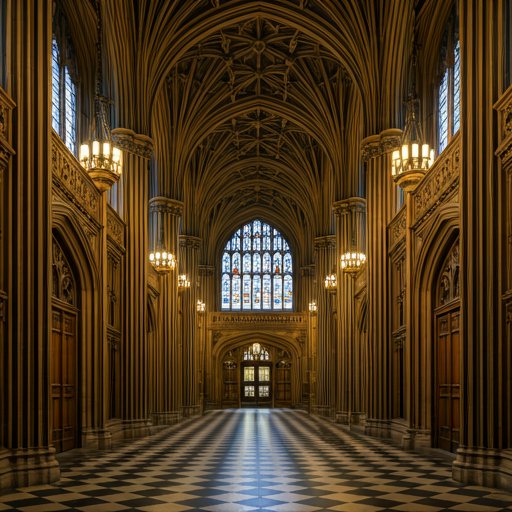
The public can watch debates from the public galleries. You can queue on the day or ask your MP in advance for tickets.