Early Britain
The First Britons
The very first people in Britain were hunter-gatherers during the Stone Age. Back then, Britain was attached to mainland Europe by a land bridge. People walked across, following deer and horses to hunt. About 10,000 years ago, the channel flooded and Britain became an island.
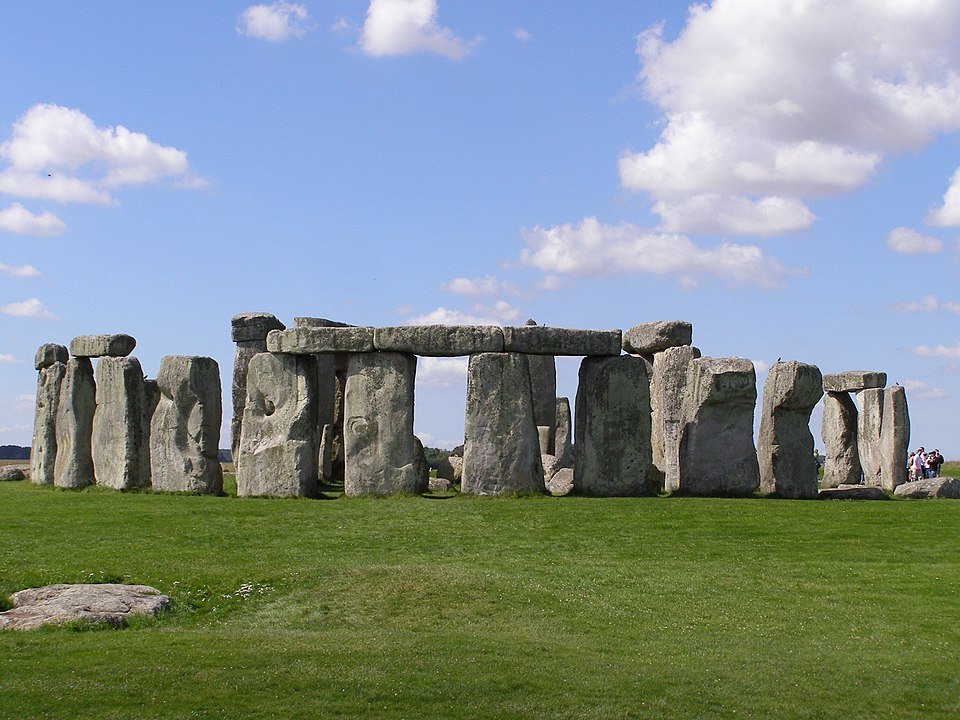
Around 6,000 years ago, the first farmers arrived, probably from south-east Europe. They built houses, tombs, and monuments — including Stonehenge in Wiltshire, which still stands today.
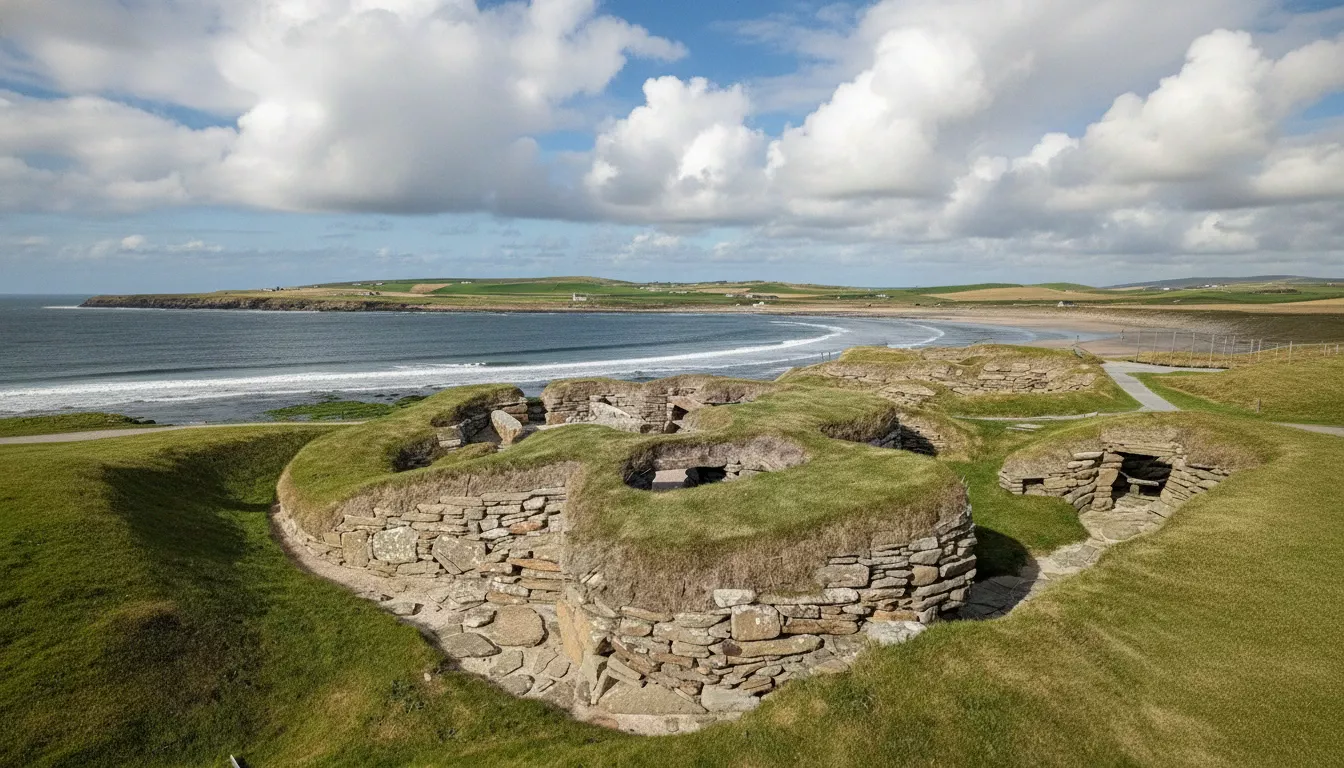
Did You Know?
Skara Brae on Orkney, off the north coast of Scotland, is the best-preserved prehistoric village in northern Europe. It has taught archaeologists a huge amount about how people lived near the end of the Stone Age.
Bronze Age and Iron Age
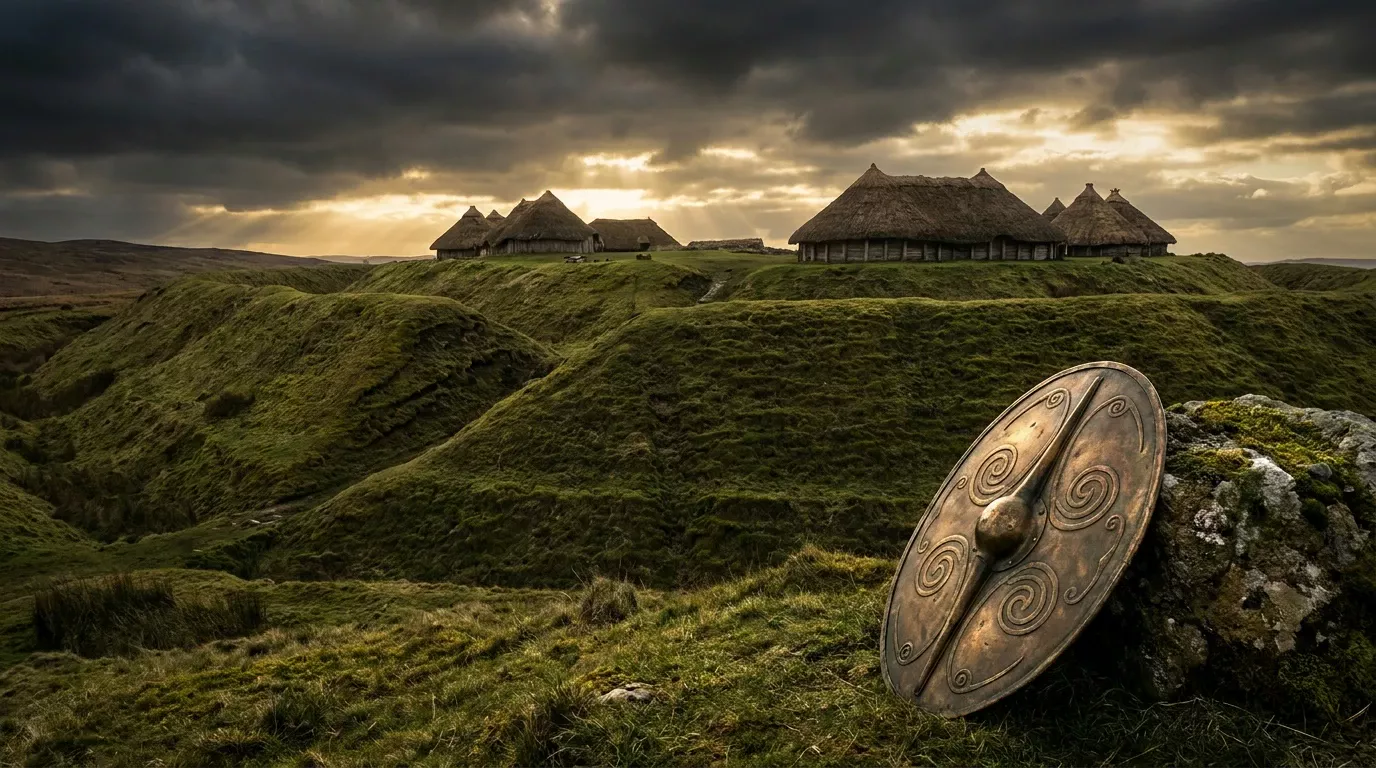
About 4,000 years ago, people learned to make bronze — the Bronze Age. They lived in roundhouses and buried their dead in round barrows. They made beautiful tools, ornaments, and weapons out of bronze and gold.
The Iron Age followed. People made weapons and tools from iron. They lived in larger settlements and built hill forts for defence. Maiden Castle in Dorset is a stunning example you can still visit today.
Iron Age people spoke a Celtic language, related to Welsh, Scottish Gaelic, and Irish today. They minted the first coins in Britain — the beginning of recorded British history.
The Romans
Julius Caesar tried to invade in 55 BC but failed. In AD 43, Emperor Claudius succeeded. The Romans took over almost all of Britain, though they never conquered what is now Scotland. Queen Boudicca of the Iceni led a famous rebellion — her statue stands on Westminster Bridge in London today.
Roman Legacy
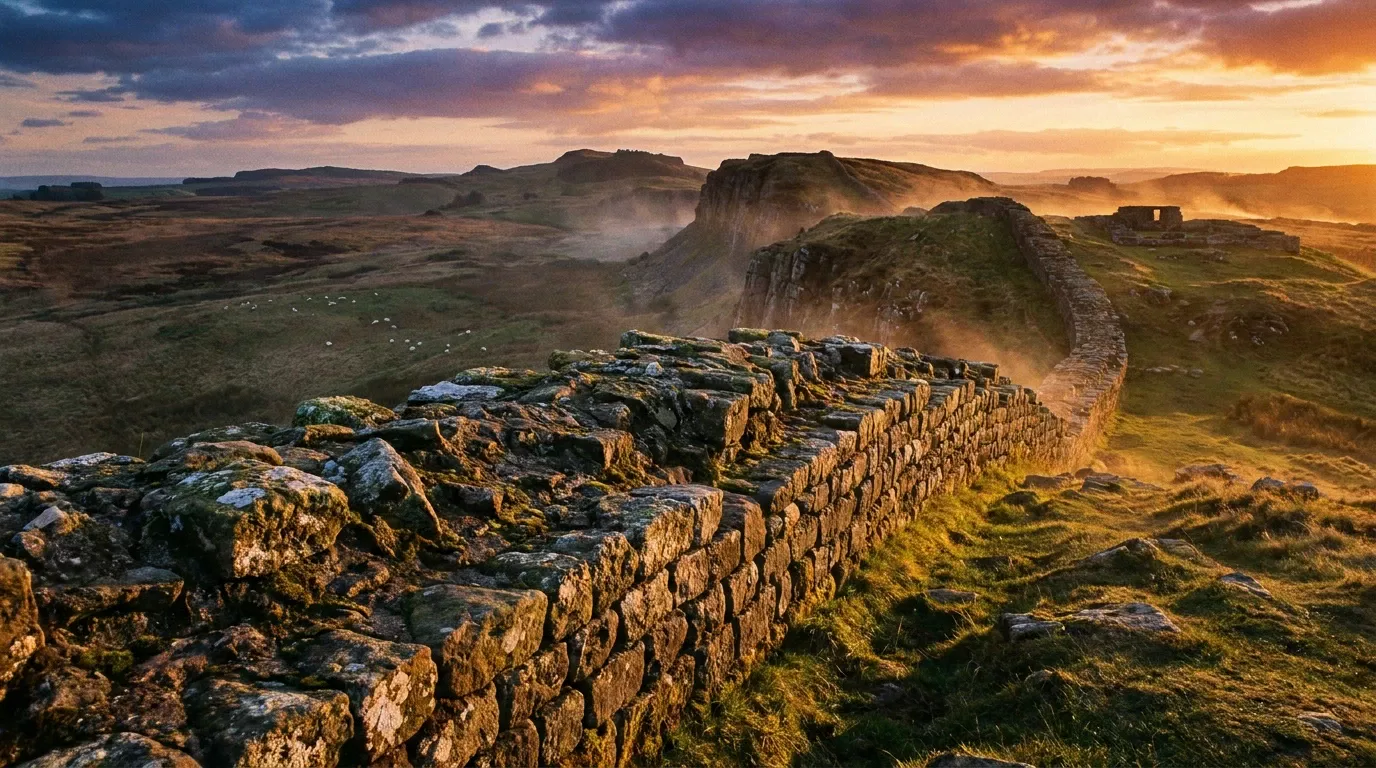
Emperor Hadrian built a wall across northern England to keep out the Picts (ancestors of the Scottish people). Parts of Hadrian's Wall, including forts like Housesteads and Vindolanda, are still visible and are a UNESCO World Heritage Site.
Anglo-Saxons, Vikings, and Normans
After the Romans left around AD 410, Anglo-Saxons from Germany and Denmark settled in Britain. They gave us the names of many towns and the foundations of the English language. Vikings from Scandinavia raided and settled too, especially in the north and east.
The most famous Viking king was King Cnut. Alfred the Great, king of Wessex, is remembered for defending against the Vikings and promoting learning.
The Big Date
The Norman Conquest of 1066 is the most famous date in British history. William the Conqueror defeated King Harold at the Battle of Hastings. The Bayeux Tapestry tells the story in embroidery. William ordered the Domesday Book — a huge survey of who owned what in England.
The Normans brought feudalism — the king gave land to lords in return for military service. Most peasants were serfs who worked the lord's land and could not move away. This system shaped life in medieval Britain.