The 20th century
Britain at Its Peak
The early 1900s were a time of optimism. Britain was a global superpower with a huge empire, a strong navy, and thriving industry. Important social reforms were introduced:
- Old-age pensions
- Free school meals
- Improved workplace safety
- Better town planning to stop slums growing
- MPs got a salary for the first time — making it possible for ordinary people to enter politics
The Great War
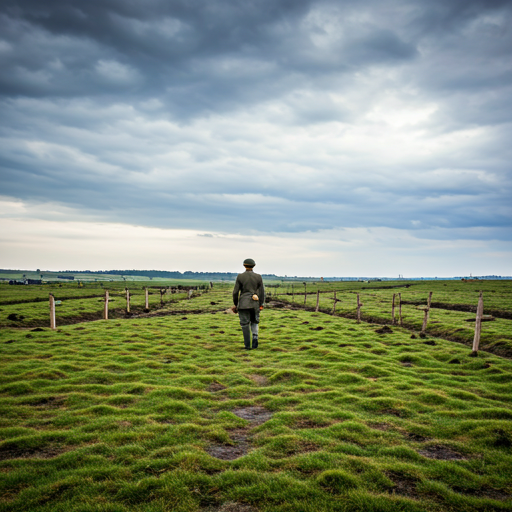
The assassination of Archduke Franz Ferdinand in 1914 triggered the First World War. Britain and its allies (France, Russia, the US, and others) fought the Central Powers (Germany, Austria-Hungary, the Ottoman Empire). Over 2 million British casualties. The war ended at 11am on 11 November 1918.
The Partition of Ireland
In 1913, the British government promised "Home Rule" for Ireland. Protestants in the north opposed it. After the Easter Rising (1916) and a guerrilla war, a treaty in 1921 split Ireland:
- Northern Ireland (6 counties, mainly Protestant) stayed in the UK
- The rest became the Irish Free State (later the Republic of Ireland)
The Second World War
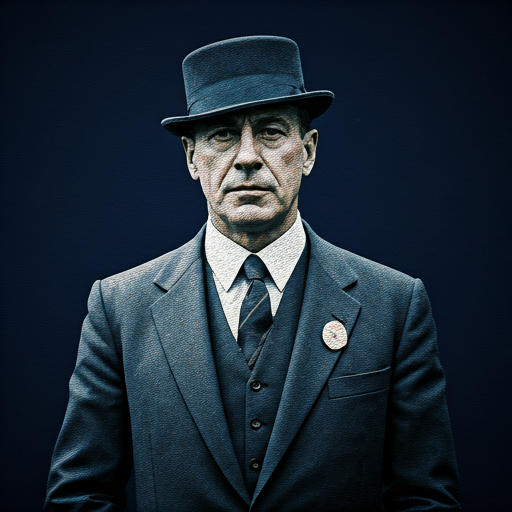
The Great Depression of the 1930s caused mass unemployment. In 1939, Britain declared war on Germany after it invaded Poland. Winston Churchill became Prime Minister and led Britain through the war. Key events:
- The Battle of Britain (1940) — the RAF defeated the German air force
- The Blitz — German bombers attacked British cities, including London, Coventry, and Liverpool
- D-Day (1944) — Allied forces landed in Normandy, beginning the liberation of Europe
- The war ended in Europe on 8 May 1945 (VE Day)
Did You Know?
The Second World War saw the first use of radar in combat — a British invention. The code-breaking work at Bletchley Park, led by Alan Turing, was crucial to the Allied victory and laid the foundations for modern computing.
After the War
The post-war Labour government created the welfare state and the National Health Service (NHS). Britain gave up most of its empire. The country joined NATO and developed its own nuclear weapons. The 1950s brought economic recovery and growing prosperity.
In the 1960s and 70s, British culture exploded — The Beatles, The Rolling Stones, miniskirts, and the rise of television. Britain joined the European Economic Community (the Common Market) in 1973.
Margaret Thatcher became Britain's first female Prime Minister in 1979. She privatised state-owned industries and reduced the power of trade unions. She was the longest-serving PM of the 20th century.
Tony Blair became PM in 1997. His government introduced devolution — creating the Scottish Parliament, Welsh Assembly, and Northern Ireland Assembly. The Good Friday Agreement (1998) brought peace to Northern Ireland.
British Inventions You Use Every Day
Television (John Logie Baird), radar, the jet engine, the World Wide Web (Tim Berners-Lee), the structure of DNA (discovered at Cambridge), IVF (the first test-tube baby), the hovercraft, and the steam engine. Britain has shaped the modern world!
Recent Conflicts
British forces fought in the Falklands War (1982), the Gulf War (1990-91), and more recently in Afghanistan and Iraq. The UK also played a leading role in the NATO mission in Libya (2011).