The British constitution
The Unwritten Constitution
Unlike most countries, the UK does not have a single written constitution. There is no one document called "The Constitution." Instead, our constitution is made up of laws, traditions, and agreements built up over centuries.
Why No Written Constitution?
The UK never had a revolution that wiped the slate clean (like America or France). Our system developed gradually over hundreds of years.
Key Institutions
The Monarchy
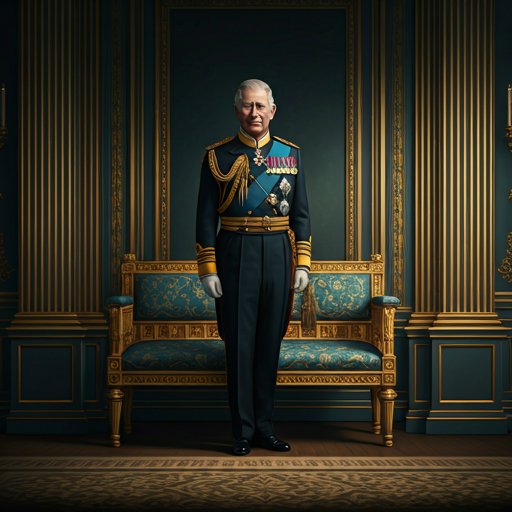
The King is Head of State but has limited political power.
Parliament
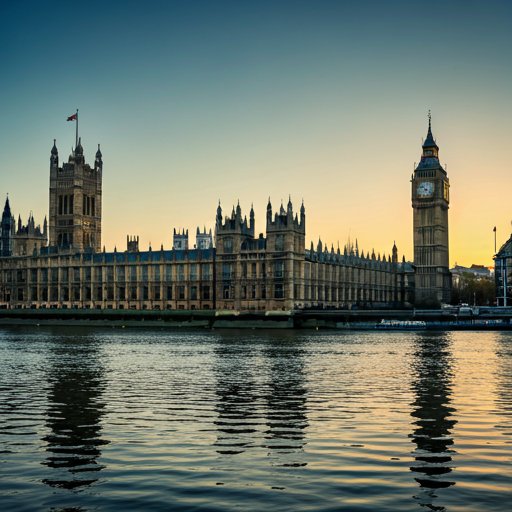
Makes laws. Two houses: Commons (elected) and Lords (appointed).
Prime Minister
Leader of the largest party in the Commons. Runs the government.
Cabinet
Senior ministers chosen by the PM. Make key decisions.
Judiciary
Independent judges who interpret the law. Government cannot interfere.
Police
Keep order and investigate crime. Operate independently of government.
Civil Service
Permanent officials who carry out government policy. Politically neutral.
Local Government
Councils run local services like schools, rubbish collection, and roads.
Devolved Administrations
Since 1999, Scotland, Wales, and Northern Ireland have their own governments with powers over certain issues:
Scottish Parliament
Edinburgh. Powers: health, education, law, planning. Can vary income tax.
Welsh Senedd
Cardiff. Powers: health, education, economic development, environment.
NI Assembly
Belfast. Powers: health, education, agriculture, environment.
Reserved Powers
The UK Parliament in London keeps control of some things for the whole country: defence, foreign affairs, immigration, taxation (mostly), and social security. Devolved parliaments cannot make laws about these.
The Monarchy
The monarch (currently King Charles III) is the Head of State. The monarch's role is mostly ceremonial:
- Opens Parliament each year (the State Opening)
- Gives Royal Assent to bills (makes them law)
- Appoints the Prime Minister (always the leader of the largest party)
- Is Head of the Commonwealth and Head of the Church of England
The National Anthem
"God Save the King" is the national anthem. It is sung at state occasions and sporting events. When a queen is on the throne, the words change to "God Save the Queen."
Parliament
House of Commons: 650 elected MPs (Members of Parliament). Each represents a constituency (local area).
House of Lords: Around 800 members — mostly appointed (life peers), plus 92 hereditary peers and 26 bishops.
The Speaker keeps order in Commons debates and ensures fair play between parties.
Elections
General elections happen at least every 5 years. The UK uses the "first past the post" system — the candidate with the most votes in each constituency wins.
Contacting Your MP
You can write to your MP about issues that matter to you. Many MPs hold regular "surgeries" where local people can discuss problems face-to-face.