The Middle Ages
A Time of Constant War
The Middle Ages (or medieval period) lasted from the Norman Conquest until about 1485. It was a time of almost non-stop fighting.
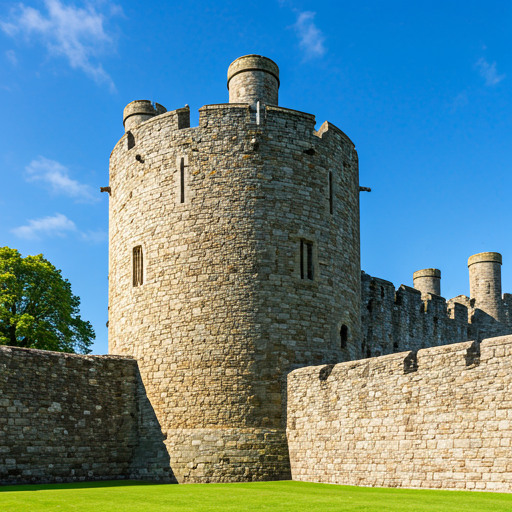
Castle Country
In 1284, King Edward I introduced the Statute of Rhuddlan, annexing Wales to England. He built huge castles like Conwy and Caernarvon to keep control. By the mid-1400s the last Welsh rebellions were defeated.
- Wales: Conquered by England, huge castles built to hold power
- Scotland: Stayed independent — Robert the Bruce beat the English at Bannockburn in 1314
- Ireland: English settled around Dublin (called "the Pale"). By 1200 the English ruled this area
- France: The Hundred Years War (actually 116 years!) was fought between England and France. Henry V won a famous victory at Agincourt in 1415
The Black Death
In 1348 a terrible disease — probably the plague — arrived in Britain. It killed one-third of England's population and similar numbers in Scotland and Wales. It was one of the worst disasters ever to hit the country.
After the Black Death, there were far fewer people. This meant:
- Less need to grow crops — land use changed
- Labour shortages — peasants could demand higher wages
- New social classes appeared (including the gentry — wealthy landowners)
- People moved from countryside to towns
- A strong middle class grew in the towns
Parliament Begins
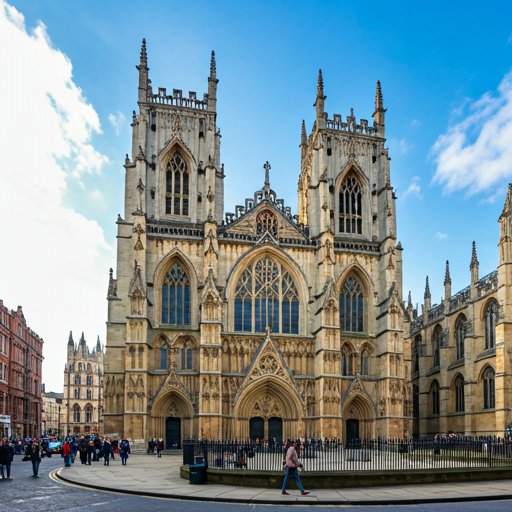
Magna Carta (1215) was a huge deal — it said the king was not above the law. Later, Simon de Montfort called the first elected parliament in 1265. By the 1300s, Parliament had two houses: the House of Commons (elected representatives) and the House of Lords (nobles and church leaders).
Language & Culture
During the Middle Ages, English (not French or Latin) became the language of the law courts and schools. Geoffrey Chaucer wrote The Canterbury Tales — one of the first great works of English literature.
The Wars of the Roses
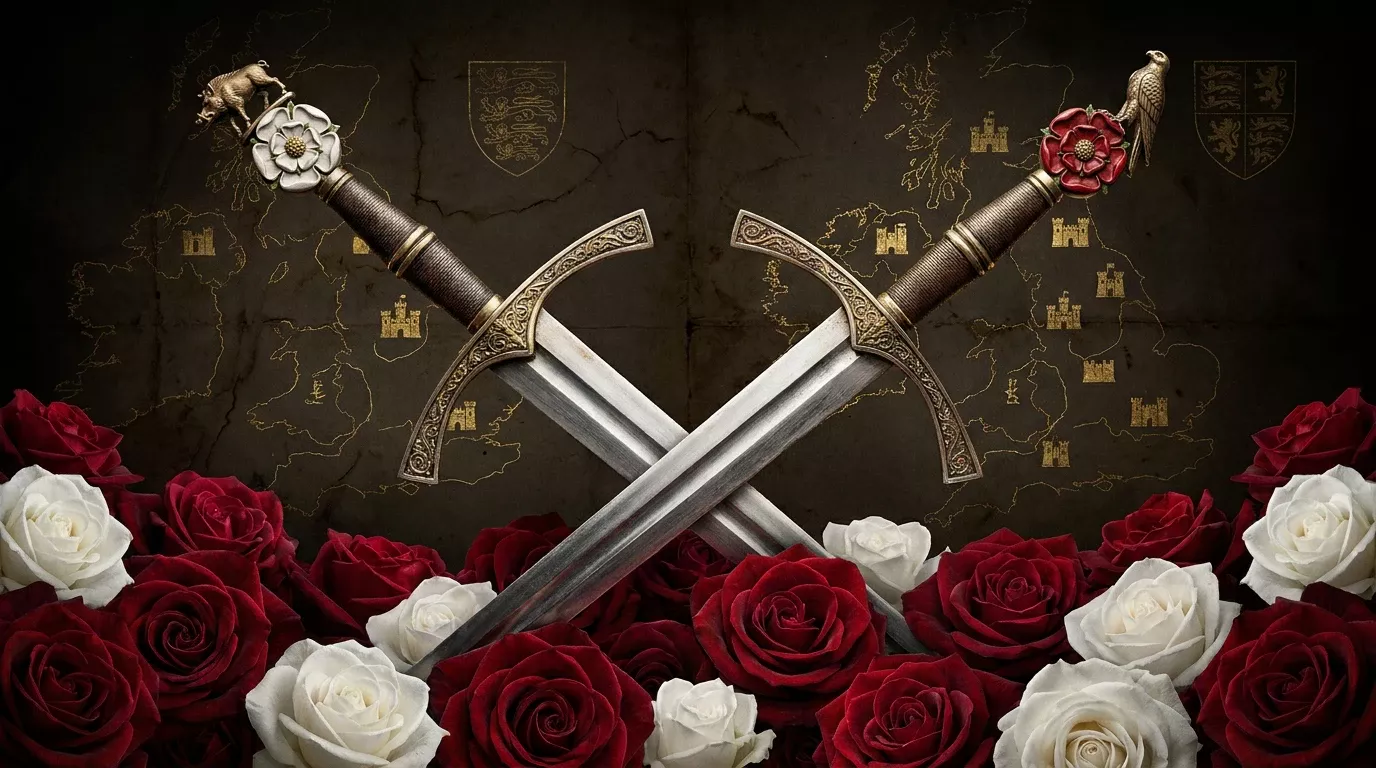
From 1455 to 1485, two families — Lancaster (red rose) and York (white rose) — fought for the English throne. The wars ended when Henry Tudor (Henry VII) won and married Elizabeth of York, uniting the families and starting the Tudor dynasty.